Part of the coast
Whales and the gulf
Pilot, minke, fin, humpback and right whales, and how to watch them well.
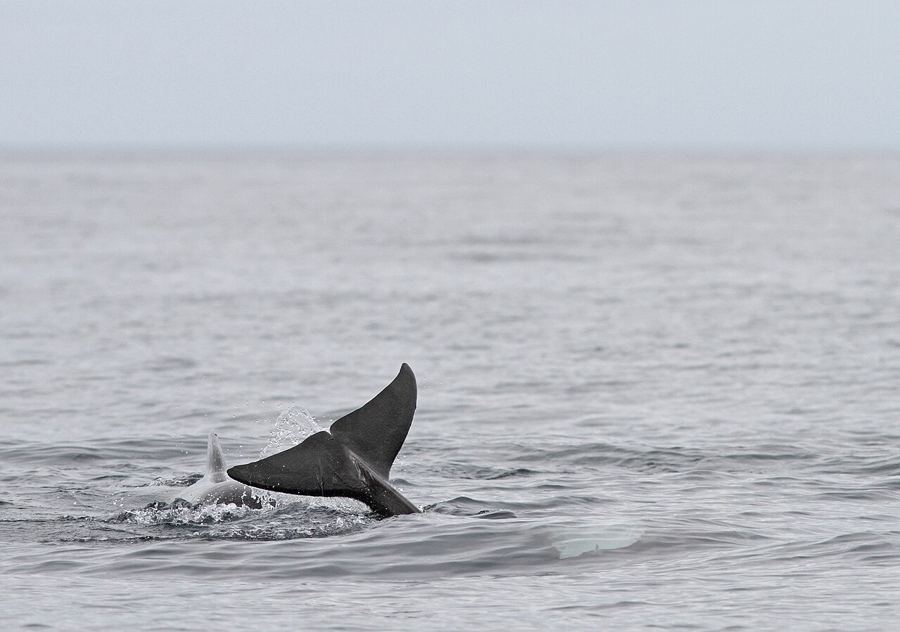 The pilot whales of the gulfBlack, round-headed and almost always in company, long-finned pilot whales are the whales you are most likely to meet off Cape Breton's western shore in summer.
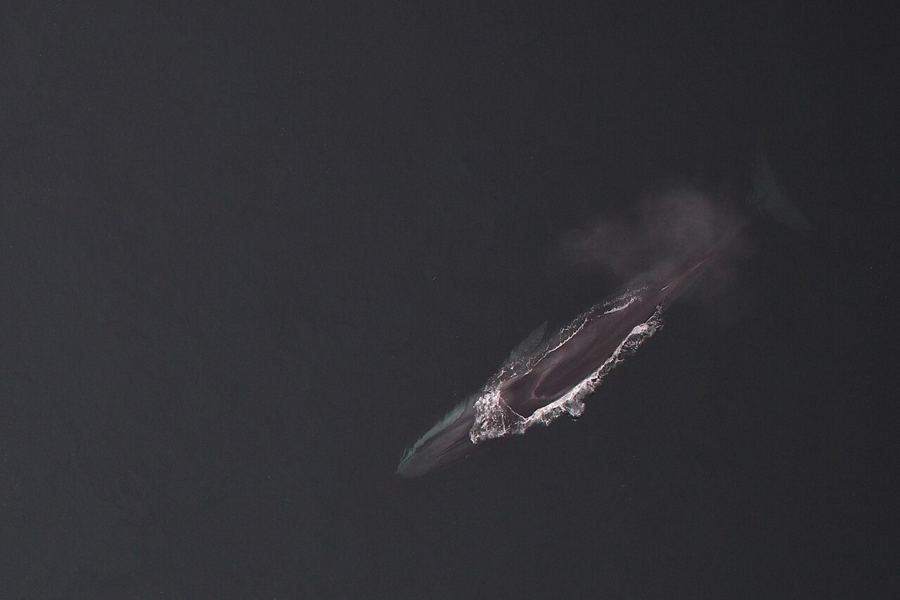 Minke and fin: the gulf's two rorqualsOne is the smallest baleen whale you are likely to see off Cape Breton, the other the second-largest animal alive. Both are grey, both have a small fin, and telling them apart takes practice.
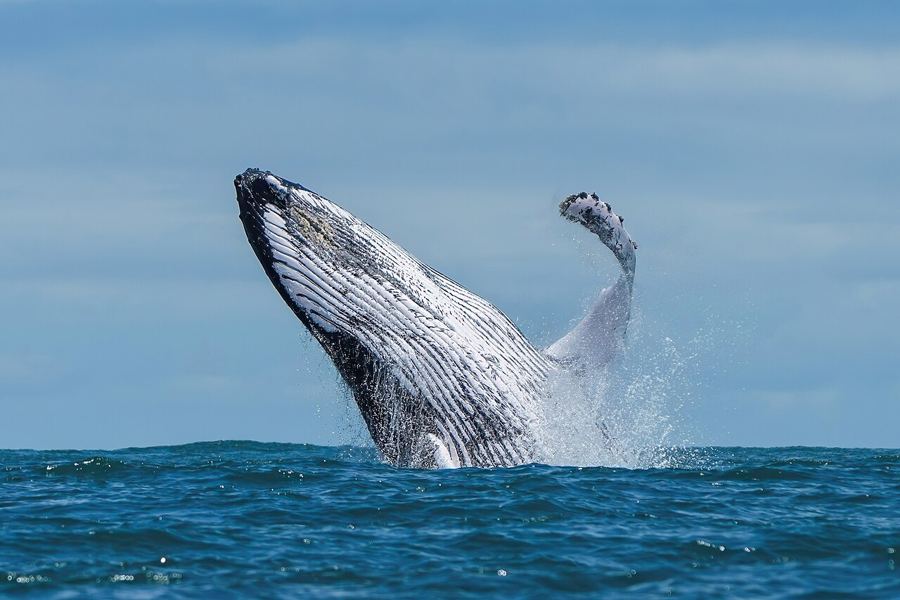 Humpbacks of the north coastHumpbacks travel north each spring from warm breeding waters to feed off Cape Breton. Around Pleasant Bay and Bay St. Lawrence they lift their flukes, slap their flippers and now and then breach.
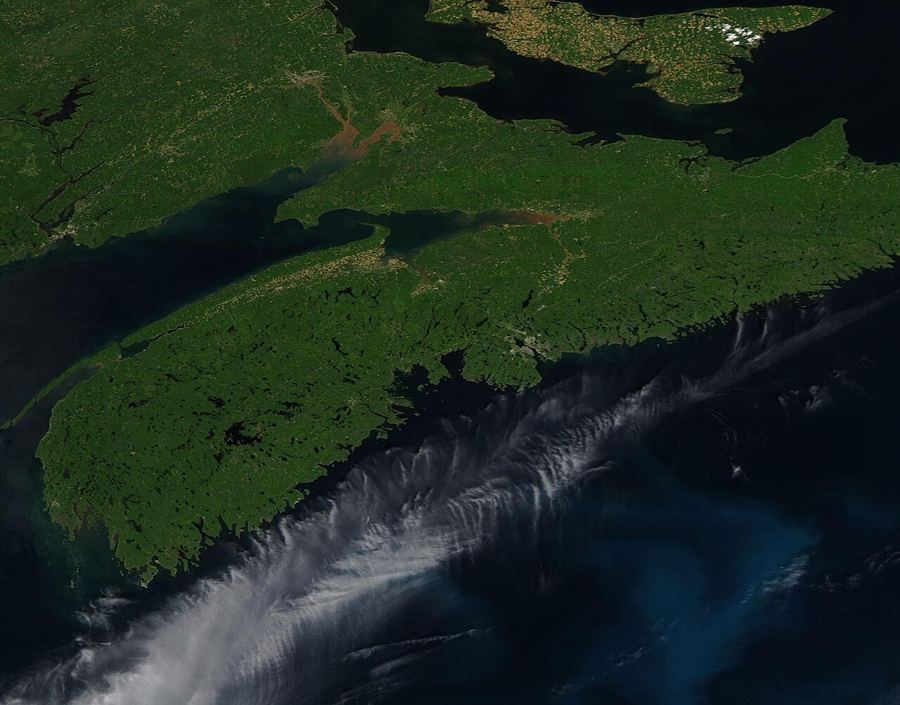 The right whale's new summer rangeFewer than four hundred North Atlantic right whales remain. In the last decade many have shifted their summer feeding into the Gulf of St. Lawrence, and that move has changed how the gulf is managed.
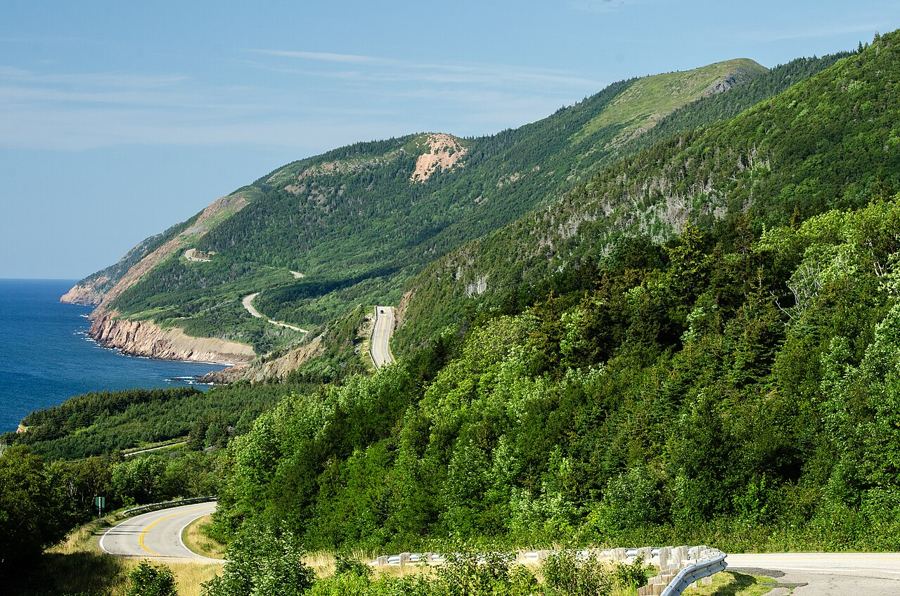 Watching whales from the cliffsYou do not need to leave dry land to see whales off Cape Breton. The Cabot Trail runs along cliffs above deep water, and on a calm day a pair of binoculars is enough.
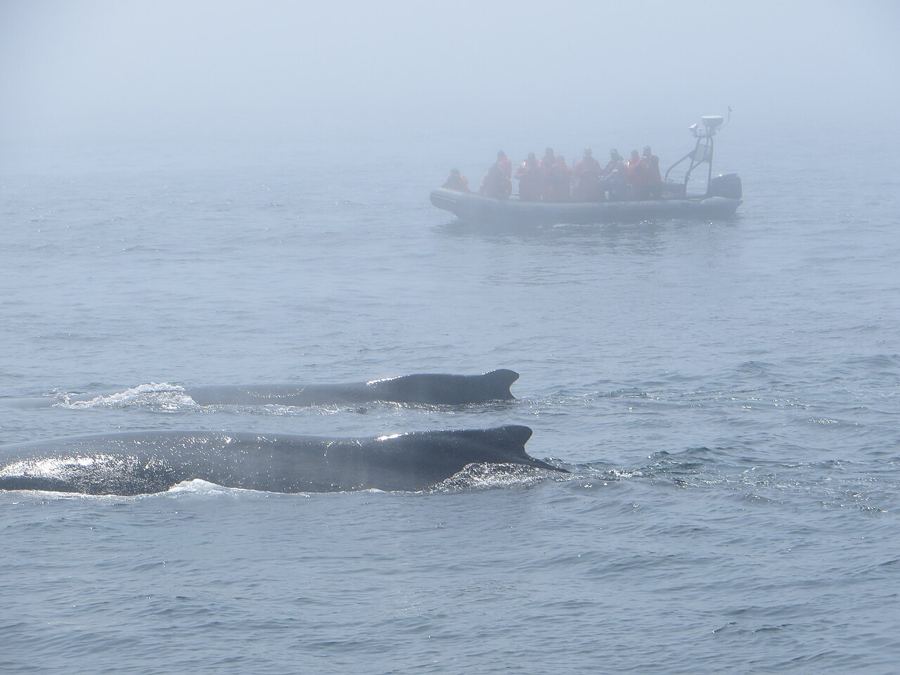 How to watch whales wellA good day with whales is one where the whales barely notice you. Here is what responsible watching looks like, from approach rules and seasickness to what to wear and what to expect.
Images on this page: Bouke ten Cate; CC BY 4.0 (source file); Laura (Laney) White (USGS Western Ecological Research Center); PD source file; Giles Laurent; CC BY-SA 4.0 (source file); MODIS Land Rapid Response Team, NASA GSFC; PD source file; Elviroyage; CC BY-SA 4.0 (source file); Mlouisebarbour; CC BY-SA 4.0 (source file)


